RESEARCH: Excavation and Survey
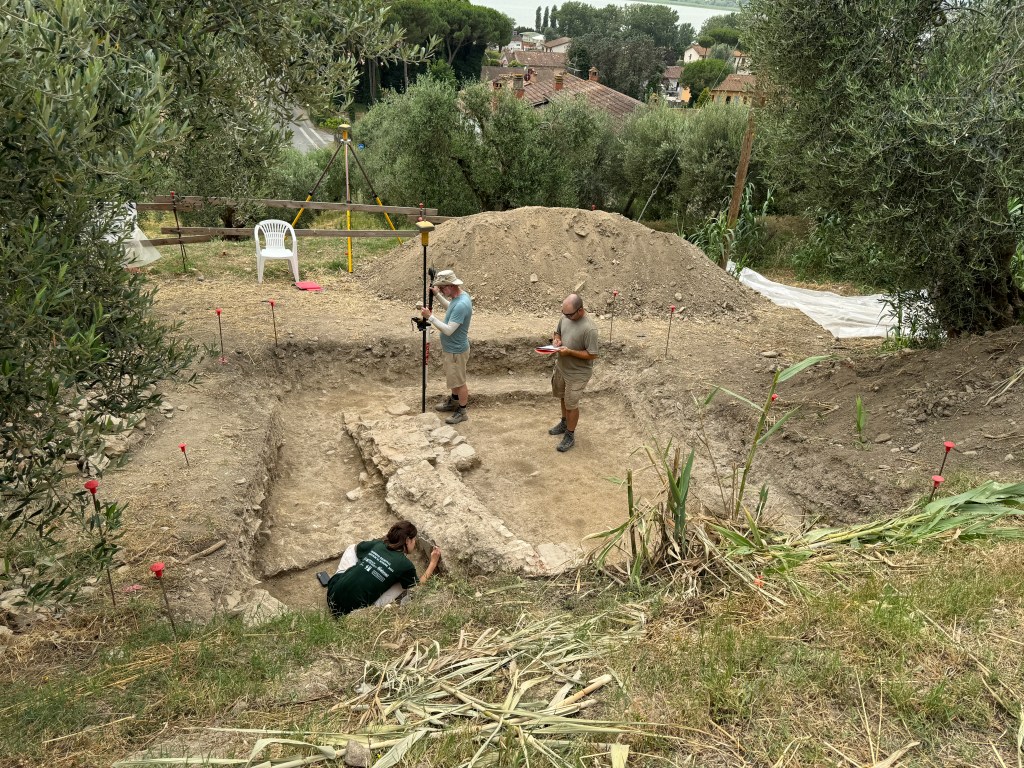
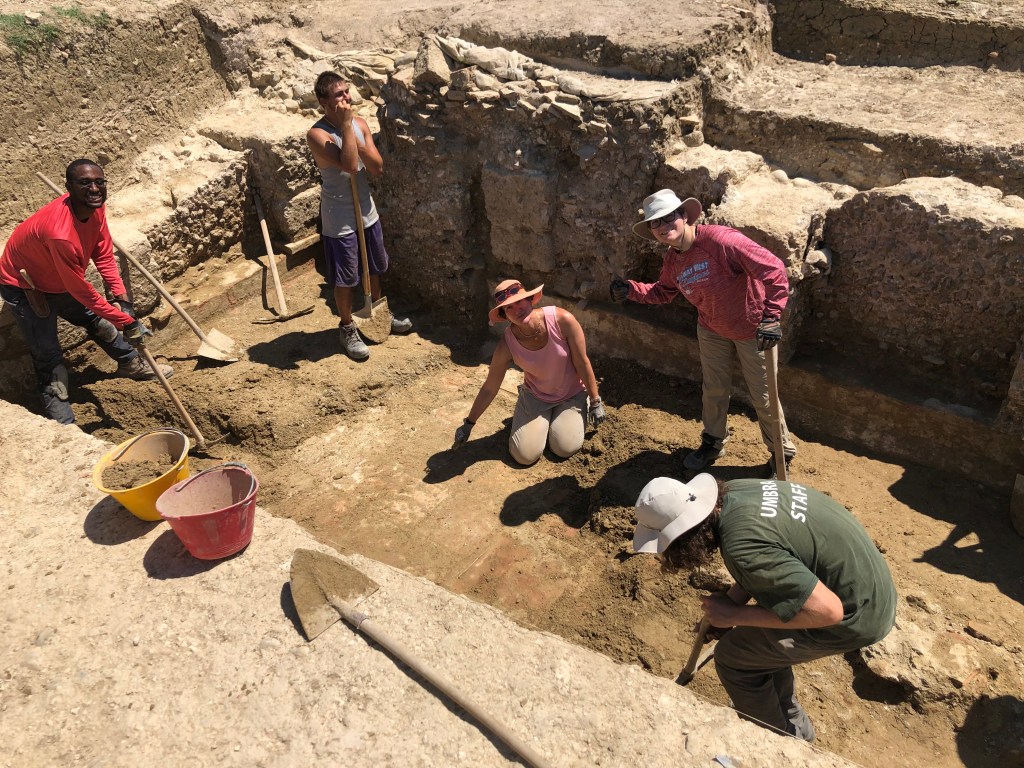
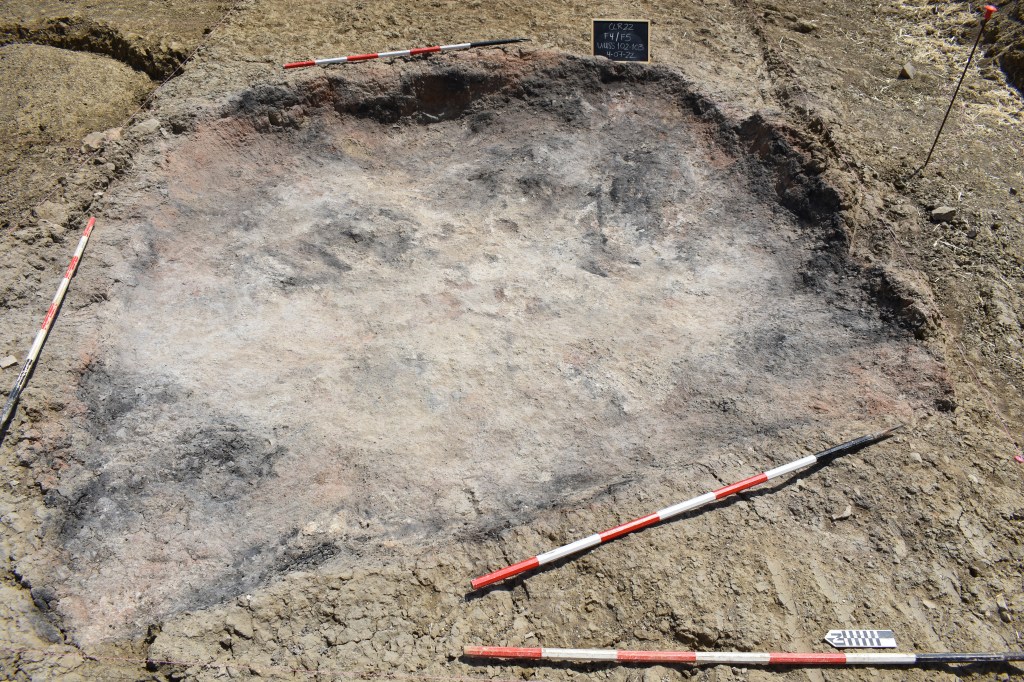
The Trasimeno Regional Archaeological Project (TRAP) seeks to document the history on human occupation on the western shores of Lago Trasimeno from the prehistoric period to the early Middle Ages. Our research includes mapping known sites, conducting strategic excavations, and developing a local archaeological museum. Of particular interest is to develop a better understanding of the transition from the Etruscan to Roman periods between the 2nd century BC and the 2nd century AD. To that end, the team has conducted excavations at three sties in the territory of Castiglione del Lago: The Roman Villa at Gioiella-Vaiano (2015-2019); a kiln site at Ranciano (2022); and a probably Etruscan and Roman sanctuary on the south slope of Castiglione del Lago (CdL) (2023-present). To learn more about the excavations, click on the photos below.
Via Belvedere (CdL)
(Current excavations)
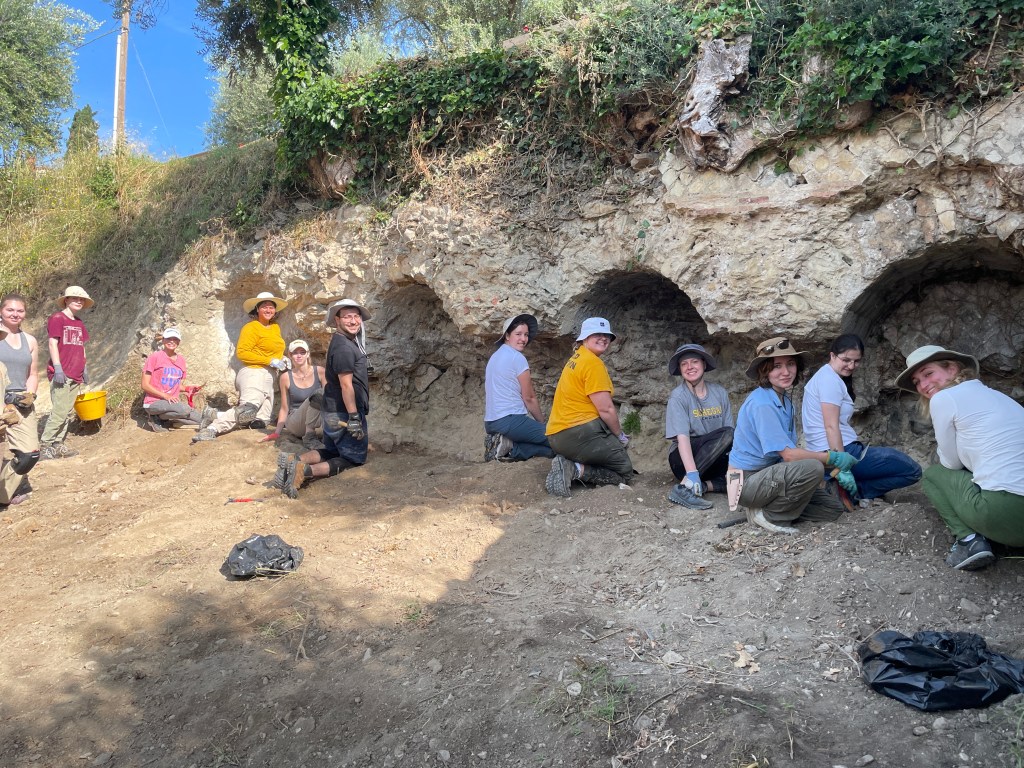
Gioiella-Vaiano Villa
(2105-2019)
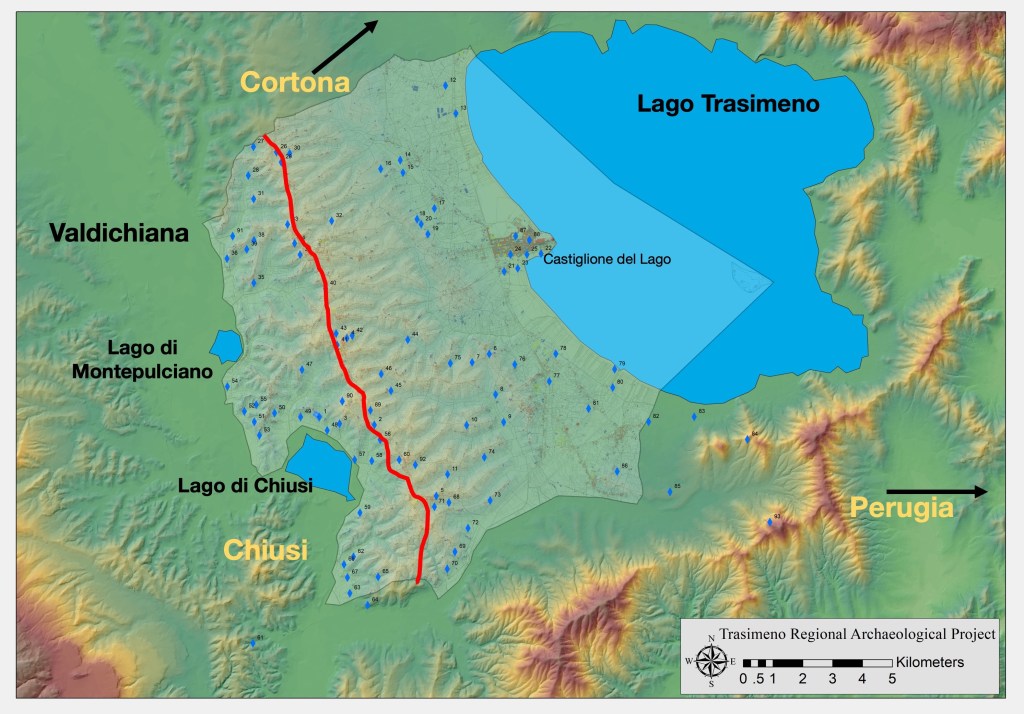
DOCUMENTING HUMAN SETTLEMENT IN THE REGION: TRAP’s research agenda includes a survey of all the known archaeological sites in the territory. Since 2015, we have documented over 100 sites, some of which were recorded by explorers in the 19th century, some are chance finds by local farmers, and others were identified for us by our partners in the ArcheoTrasimeno Club.
Publications
Articles:
Schindler, R., P. W. Foss, S. Spiganti, and G. Bevagna. 2023. “Recent Archaeological Work in the Territory of Castiglione del Lago (PG).” Bollettino di Archeologia On Line 14.1 (2023), 257-74.
Schindler, R., P. Foss, G. Bevagna, and S. Spiganti. 2021. “Report on the Excavations of the Gioiella-Vaiano Villa 2016-2019.” FOLD&R: Journal of the Fasti Online: http://www.fastionline.org/docs/FOLDER-it-2021-493.pdf
Bevagna, G., P. Foss, R. Schindler, and S. Spiganti. 2016. “Castiglione del Lago, Gioiella site survey, 2015: preliminary report.” FOLD&R: Journal of the Fasti Online: http://www.fastionline.org/docs/FOLDER-it-2016-348.pdf
Bruschetti, P., and S. Spiganti. 2016. “La Rocca di Castiglione del Lago (PG) Campagna di scavo 2014.” FOLD&R: Journal of the Fasti Online: http://www.fastionline.org/docs/FOLDER-it-2016-355.pdf

