How archaeological finds should be displayed is a major consideration in the mission of T.R.A.P. in Castiglione del Lago, with the end goal of developing an archaeological museum that tells the story of the town’s history and the story of the discovery of that history. There is a collection of old artifacts from the town and surrounding area, uncovered without archaeological methodology or proper recording, that is housed in The Antiquarium in the Palazzo della Corgna in the town. Many of these finds are remarkable, and the team is brainstorming effective ways to display these old artifacts.
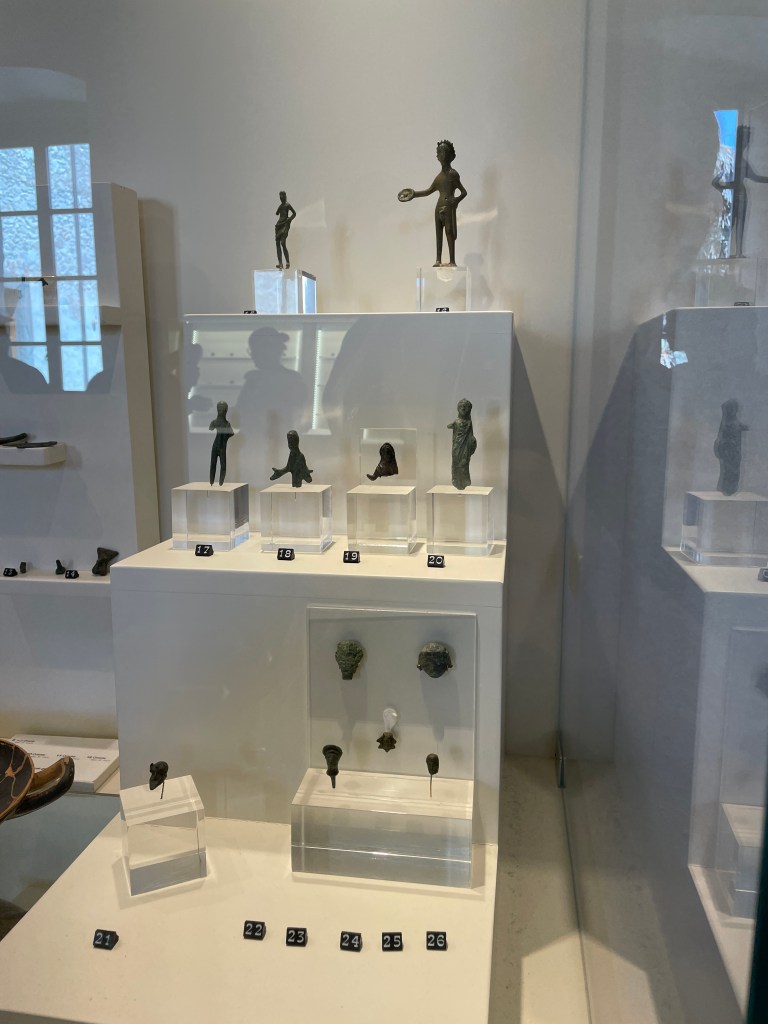
Fig. 1, Bronze items in the Antiquarium in the Palazzo della Corgna (photo by author)
In Fig. 2, there is an assortment of artifacts. In the bottom corner, there is a little sign for the names and dates, and in many museums, this would give some information on the items’ uses, where they were found, and what they say about those sites—their context.
This sign names the item and gives a range for the date, and unfortunately that is all there is to say; without proper excavation, and with the time spent in personal collections, these artifacts no longer have their context. All we know about them is what they are.
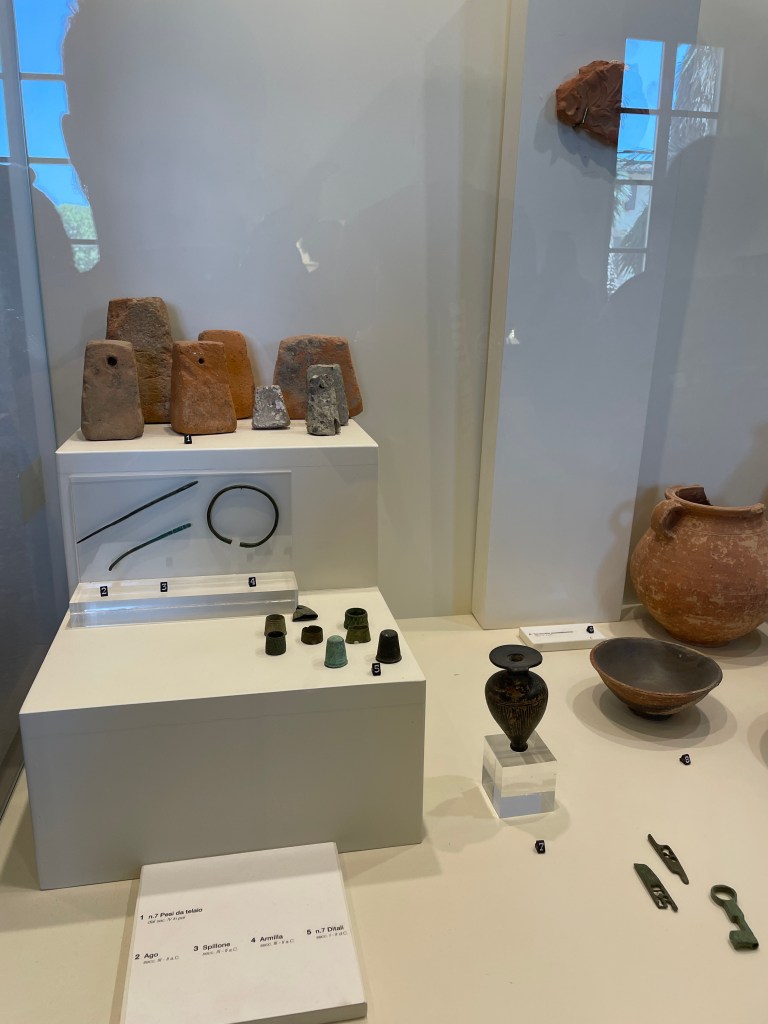
Fig. 2, Assorted items in the Antiquarium (photo by author)
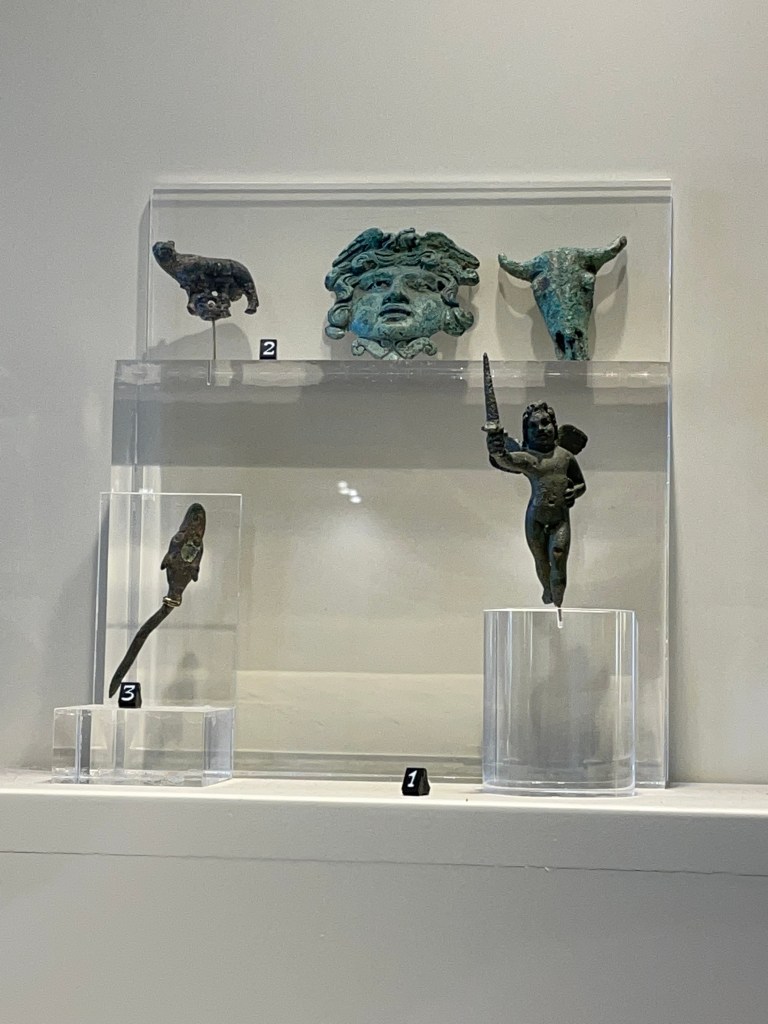
Fig. 3, Unique and beautiful bronze pieces from the Antiquarium in the Palazzo della Corgna (photo by author).
On the day we were shown around the Antiquarium, we (the students) were asked what we thought about this issue of displaying artifacts that had no context. What was their place in the future museum? My first thought was to leave this collection as it is and tell its story as it is. It isn’t rare for an archaeological museum to have an old antiquarium-style hall with collections in big glass cases with minimal information; the British Museum has one of those halls, as does the Ashmolean Museum in Oxford, England (both museums I’ve frequented), and the Museo dell’Accademia Etrusca e della città di Cortona, or MAEC, has one of those halls too. It was an odd item in this hall that sparked my interest and eventually made me consider if there was still some context to gain from items that had no context.
This little bronze instrument (Fig. 5) was sitting in a case with a few other artifacts, some vaguely Roman, some vaguely Etruscan. This artifact became the subject of my object drawing assignment for the field school. It took me a bit to realize what I was looking at; I did the drawing before looking for the sign. This object is a scale from the 1st century A.D, and was acquired by the museum in 1777, and that is all the plaque had to offer.
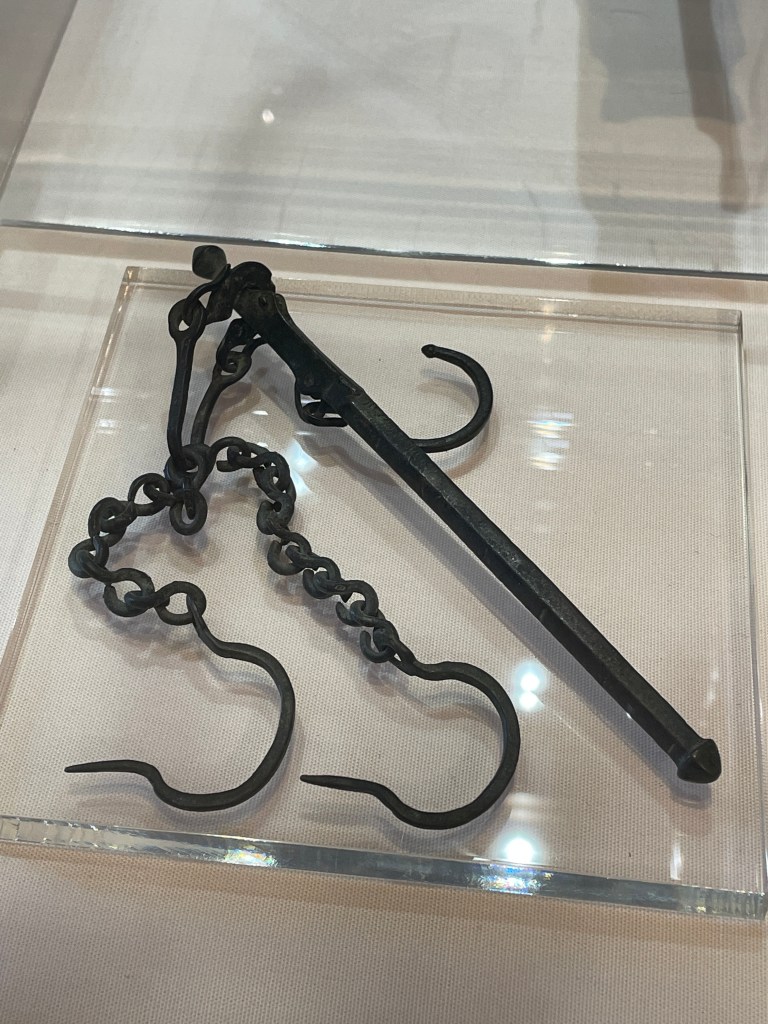
Fig. 5, “Scale (1st century A.D.)” from the MAEC (photo by author).
There is no context in sight. For an object collected and then donated so long ago, that information is completely lost. Even so, there is more to say about the scale than simply, “bilancia [scale].”
During object drawing, I estimated the length based on how it compared to my pencil and determined that the main pole is maybe 6 inches long, then noticed that the pole had small marks engraved on it, and they appeared to be about an inch apart, with small marks in between, making it look like a ruler.
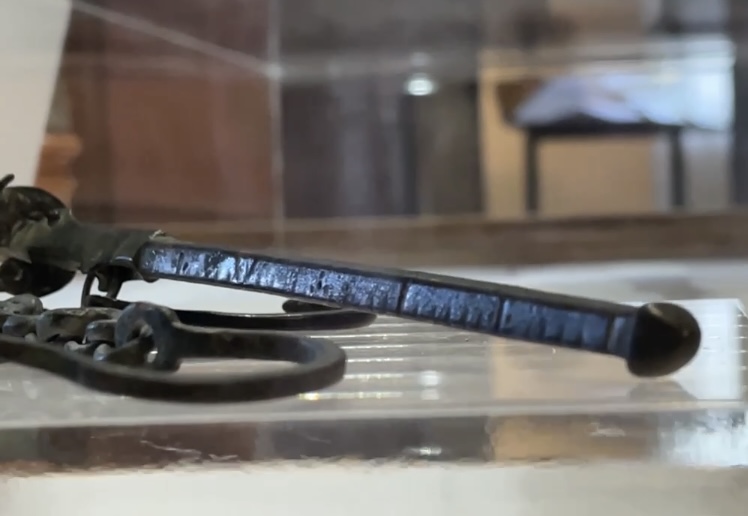
Fig. 7, The marks illuminated by the light from the window nearby, from the MAEC (photo by author)
Armed with observation, “scale,” and no understanding of how it worked yet, my question was, “Is there a correlation between this and measurements?”
This specific type of scale is called a steelyard. This one might be Roman. There should be a weight on the pole with the marks, and weighing is done by moving a weight along the pole until it balances—the marks represent units of measurement. Fig. 8 shows a better display of this type of scale upright and with a weight to show how it worked.
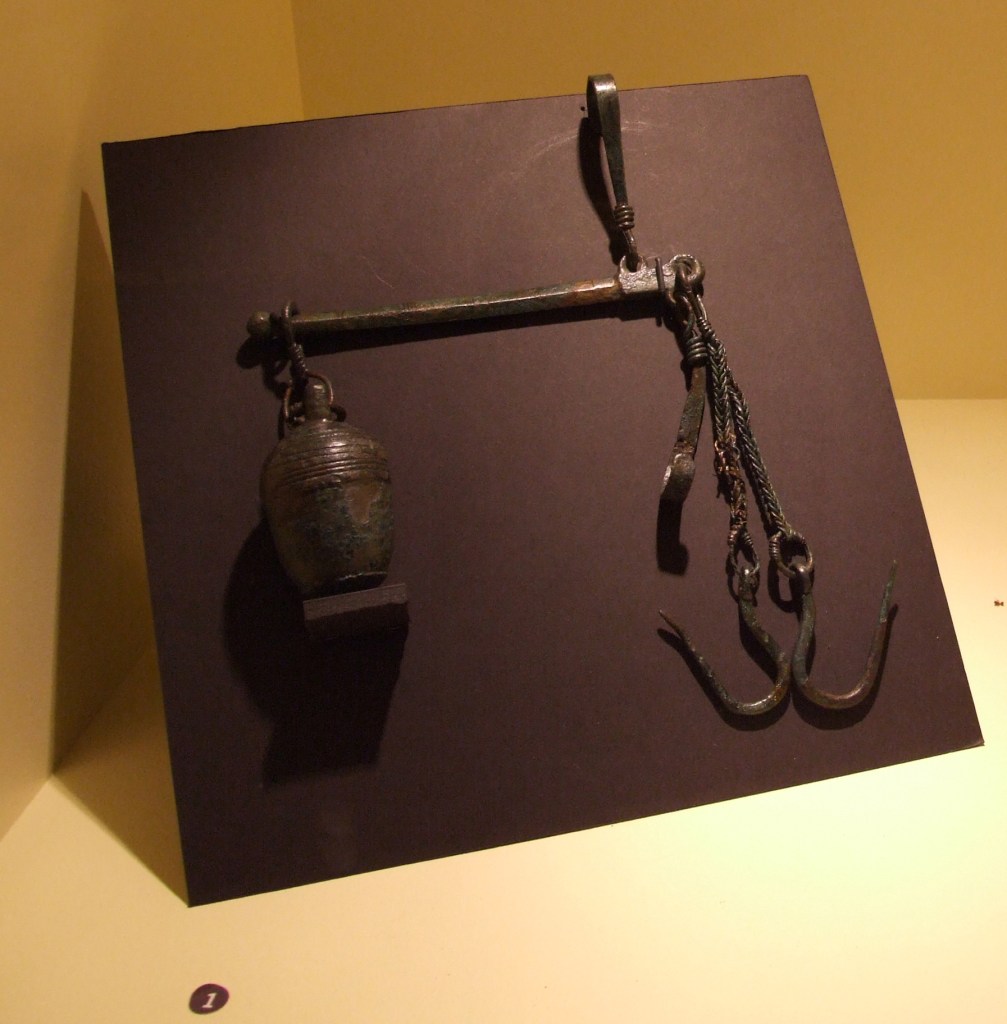
Fig. 8, “Roman bronze steelyard, Pompeii,” from Wikimedia Commons.
The chief problem with the “scale” from Cortona is it doesn’t have any of its original context. It simply looks neat and is a testament to someone finding it and finding it worth keeping. The whole antiquarium-style hall was like that, and no harm done, but not much good done either.
However, what the scale is and how it works can be known. Even I, someone who is clearly not an expert, could glean some information based simply on its looks, and through that, I learned something new about the world it belonged to. Questions that can be answered through observation offer a displaced artifact a tie back to its greater, more general context and gives it educational purpose.
Hedley Swain in “An Introduction to Museum Archaeology” wrote, “The collections are nothing unless the people who manage them are active in trying to understand them and interpret them for a public” (Swain, 2007, 7).
There is still something to say about the objects in antiquarium-style cases that have lost their context—they may offer an opportunity to focus on the little details they reveal. For example, the MAEC’s nicely preserved bronze steelyard could be styled to show off the marks and give information on Roman units of measurement.
Back in the Palazzo, in Castiglione del Lago’s little antiquarium, while the story of how that room came to be is enough for me, maybe those items can be displayed to show specific details we know about what they are, since that is all that remains to be researched. The loom weights from Fig. 2 could accompany diagrams of looms and an explanation of how they were used and how textiles were made; the bronze figures in Fig. 1 could be accompanied by explanations of why bronze figures were so widely made. These finds, bereft of their original context, can speak about their time in a broad yet impactful way and are an opportunity to focus on the details.
Works Cited
Ableiter, Claus. ““Roman bronze steelyard, Pompeii,” Wikimedia Commons, 2007. https://commons.m.wikimedia.org/wiki/File:Bronze-Schnellwage_mit_Gewicht,_Pompeji.jpg#mw-jump-to-license
Riggsby, Andrew M. “metrology, Roman.” Oxford Classical Dictionary, 2021. Oxford University Press. https://oxfordre.com/classics/view/10.1093/acrefore/9780199381135.001.0001/acrefore-9780199381135-e-8639
Swain, Hedley. “An Introduction to Museum Archaeology,” Cambridge University Press, 2007, pp. 7.
 TRAP
TRAP 

Leave a comment