The Trasimeno Regional Archaeology Project
(TRAP)
An archaeological research project and field school located in Castiglione del Lago (PG), Italy
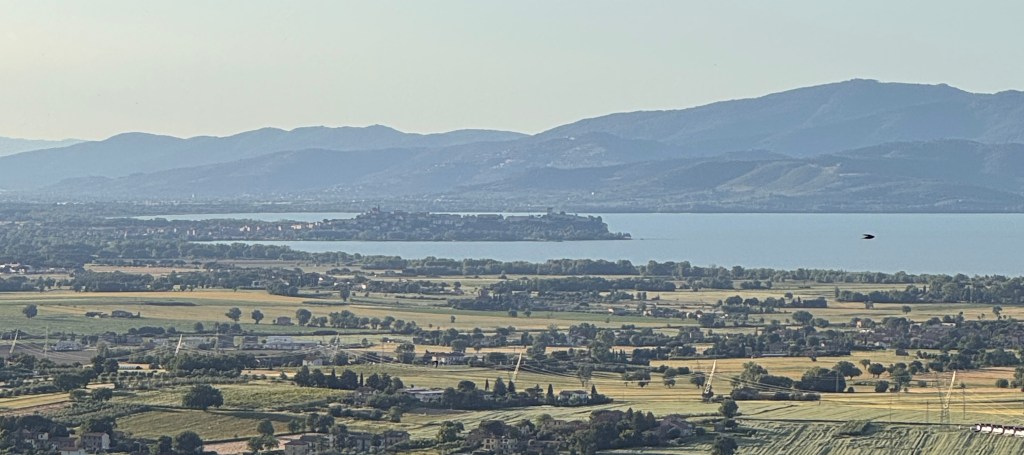
The Trasimeno Regional Archaeology Project is a collaborative research, field school, and cultural heritage program conducted by DePauw University (United States), the Umbra Institute of Perugia, and Associazione Acqua in agreement with SABAP Umbria and the Comune of Castiglione del Lago. Since 2015, the TRAP team has been investigating the ancient landscape of Castiglione del Lago from the first prehistoric settlers on the shores of the Lago Trasimeno to the medieval period. We are documenting known archaeological sites in the region, conducting strategic excavation at select sites, and working with the local community to develop a new archaeological museum. Our research primarily focuses on the Etruscan and Roman periods. Current excavations, on the south slope of Castiglione del Lago, have revealed that occupation dates back to the Archaic Etruscan period. Follow the links below to learn more about our research and how students can join the field school. You may also explore our discoveries through the digital museum site, and support our ongoing work.
RESEARCH
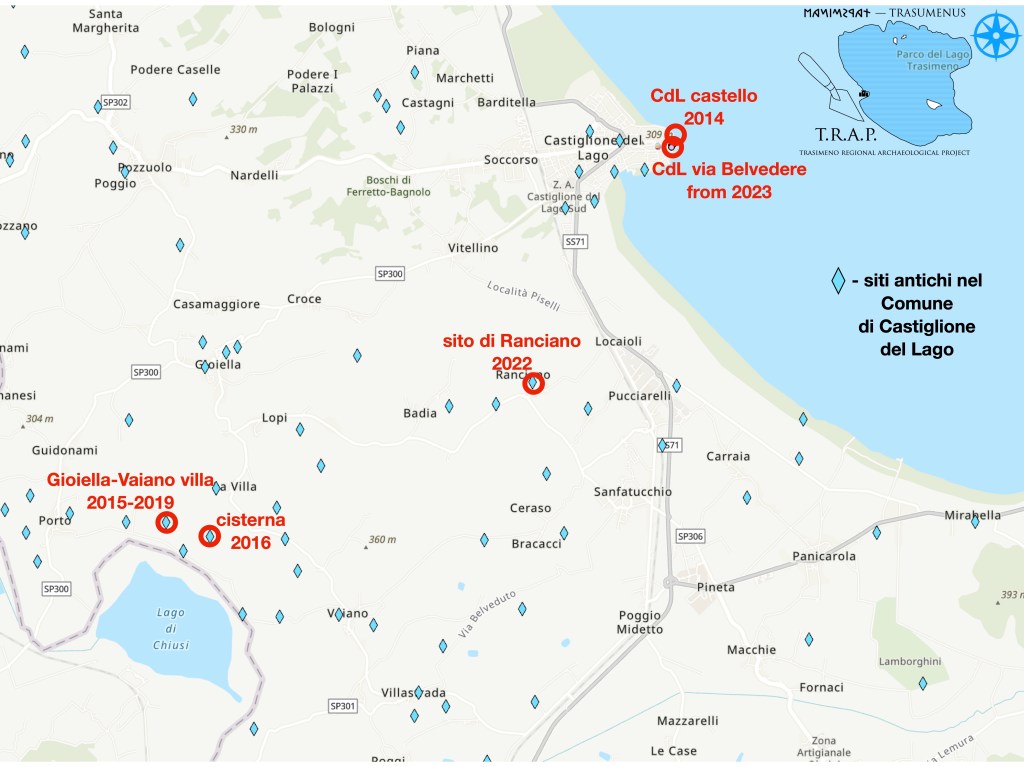
Since 2015, the TRAP team has been documenting discoveries in the territory and conducting strategic excavation at select Etruscan and Roman sites. To learn more click here.
FIELD SCHOOL
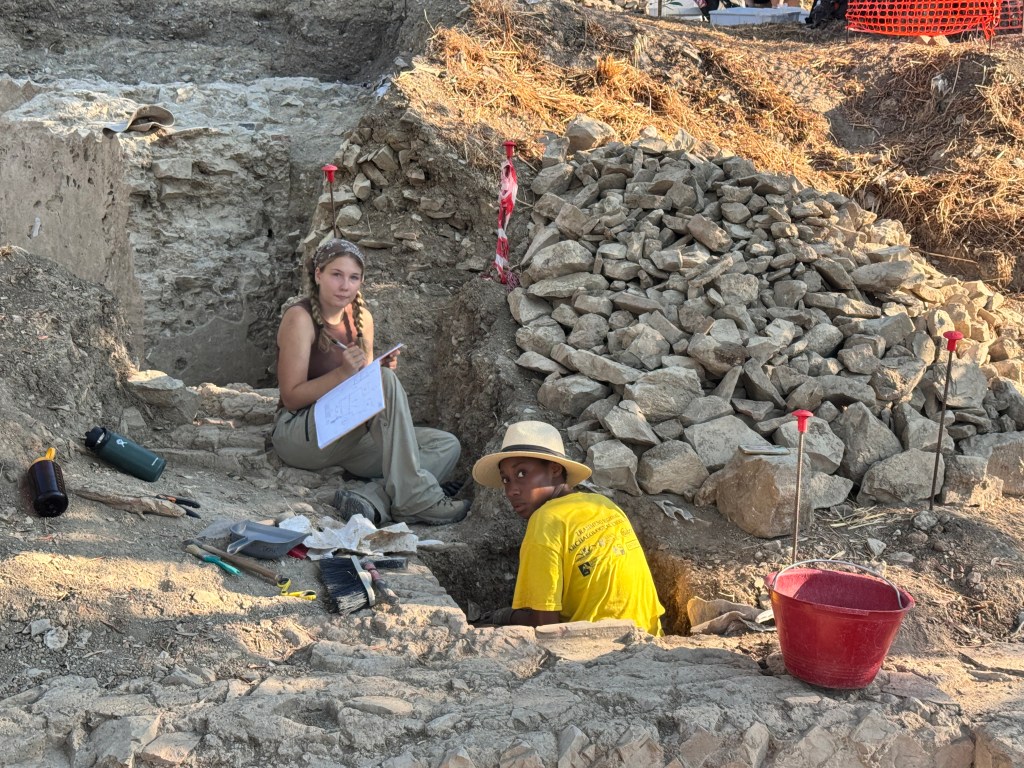
The Field School runs every summer from the end of May to the beginning of July. Undergraduate students can earn course credits through the Umbra Institute. Click here to learn more.
DIGITAL MUSEUM
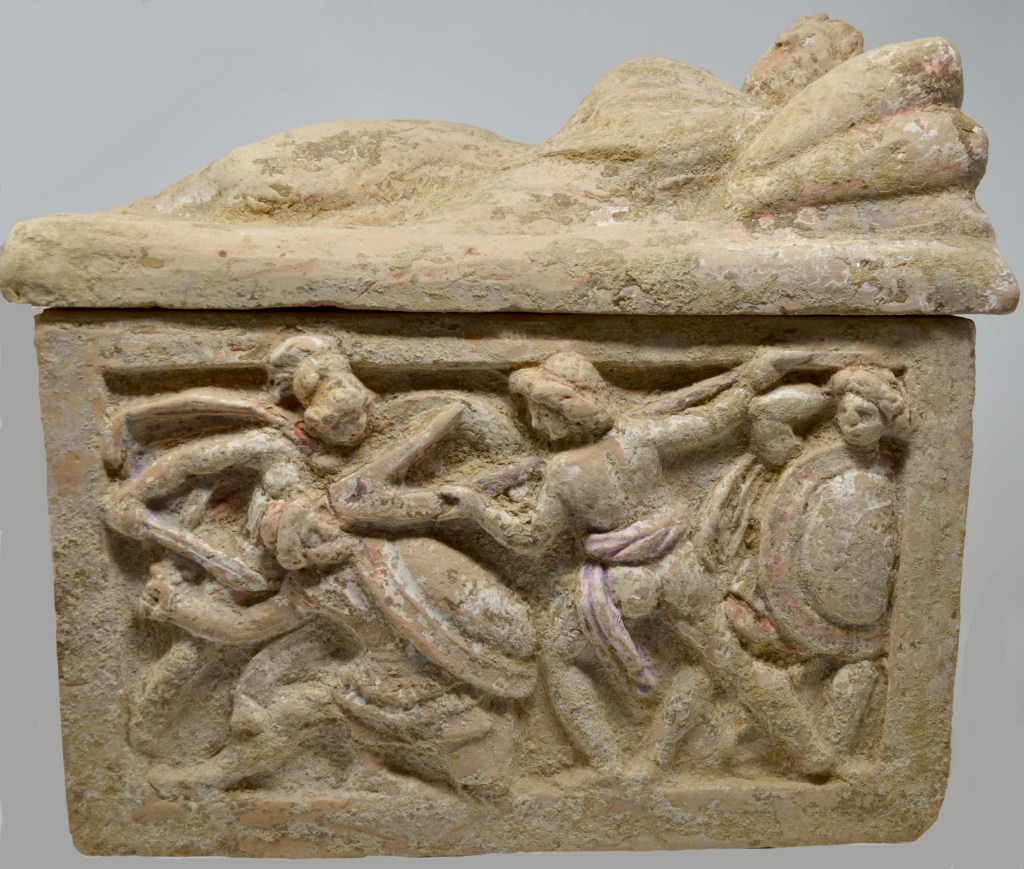
The TRAP Digital Museum is a companion site to the Trasimeno Museo Archeologico (TraMA) located in Castiglione del Lago. Click here to explore our digital exhibitions.
Support Our Research and Teaching
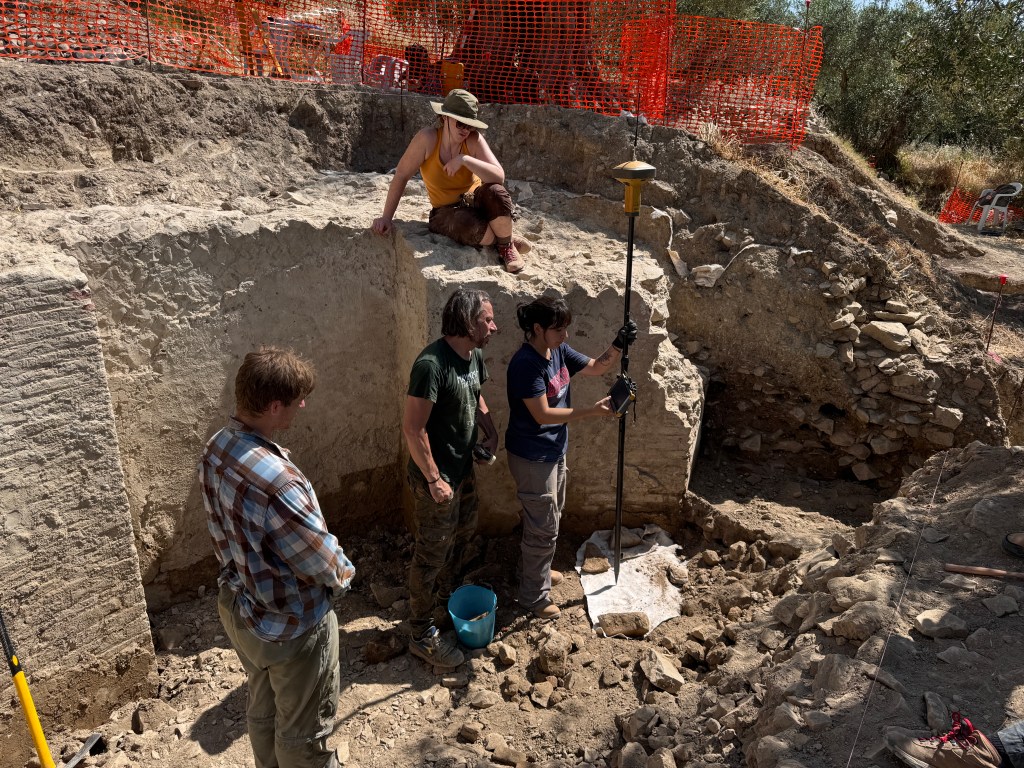
The Trasimeno Regional Archaeological Project is dedicated to documenting, studying, and publicizing the material culture of Lago Trasimeno. Through the Umbra Institute’s field school, we are training the next generation of archaeologists. To support our research and teaching, and contribute to the preservation of cultural heritage in Italy, please see our fundraising page.