When I first began taking archaeology classes I learned about sites all over the world, ranging from small hunter-gatherer fire pits to the large ancient city of Cahokia. Both types of sites, no matter the size, presented a question for me. One that would sit in the back of my mind, unanswered until I would take a trip to Italy. The question was: how did these sites get abandoned and buried underground or forgotten in the forest for archaeologists to unearth? Small sites associated with mobile people, like the Willandra lakes sites in Australia, were an easier pill to swallow because those people only stayed at there for a short time. The seasonal special purpose sites such as Vaeget Nord, Denmark were somewhat understandable because they were not occupied all year round. However, this site was chosen for its environment suited for hunting. Why would the people of Vedback want to give up an area that was so helpful to their survival? The biggest confusion came with large cities and monuments of the ancient world. If a society spent so much time, money and effort on a construction why would they leave it? For example, how did the citizens of Rome let their symbols of power fall into such disrepair that they ended up buried, forgotten, thirty feet under? Thirty feet! Even small villas populating the countryside were left to crumble.
I was not left alone to question the behavior of ancient peoples. Every time I would mention my interest in archaeology, one of the first questions asked of me was how all that “old stuff” ended up underground. The only answer I could give was the site must have been under attack at some point, forcing the residents to flee and leave behind their broken pottery for some poor archaeologist to find. However I knew this answer only applied to a small set of sites.
On my trip to Italy I am working to uncover a Roman villa. Finally I had the perfect opportunity to answer my burning questions first hand. As it happens, the answer was so much easier to grasp than I ever made it. In the case of our Roman villa on the hillside of Gioiella, one theory is that it began when Roman veterans of the Second Punic war were settled in the area. The villa is believed to have been a site of production for the big three food products: olives, wine, and grain; and maybe pottery as well. It had a prime location for trade, being only a day’s ride away from Perugia, Cortona and Chiusi.
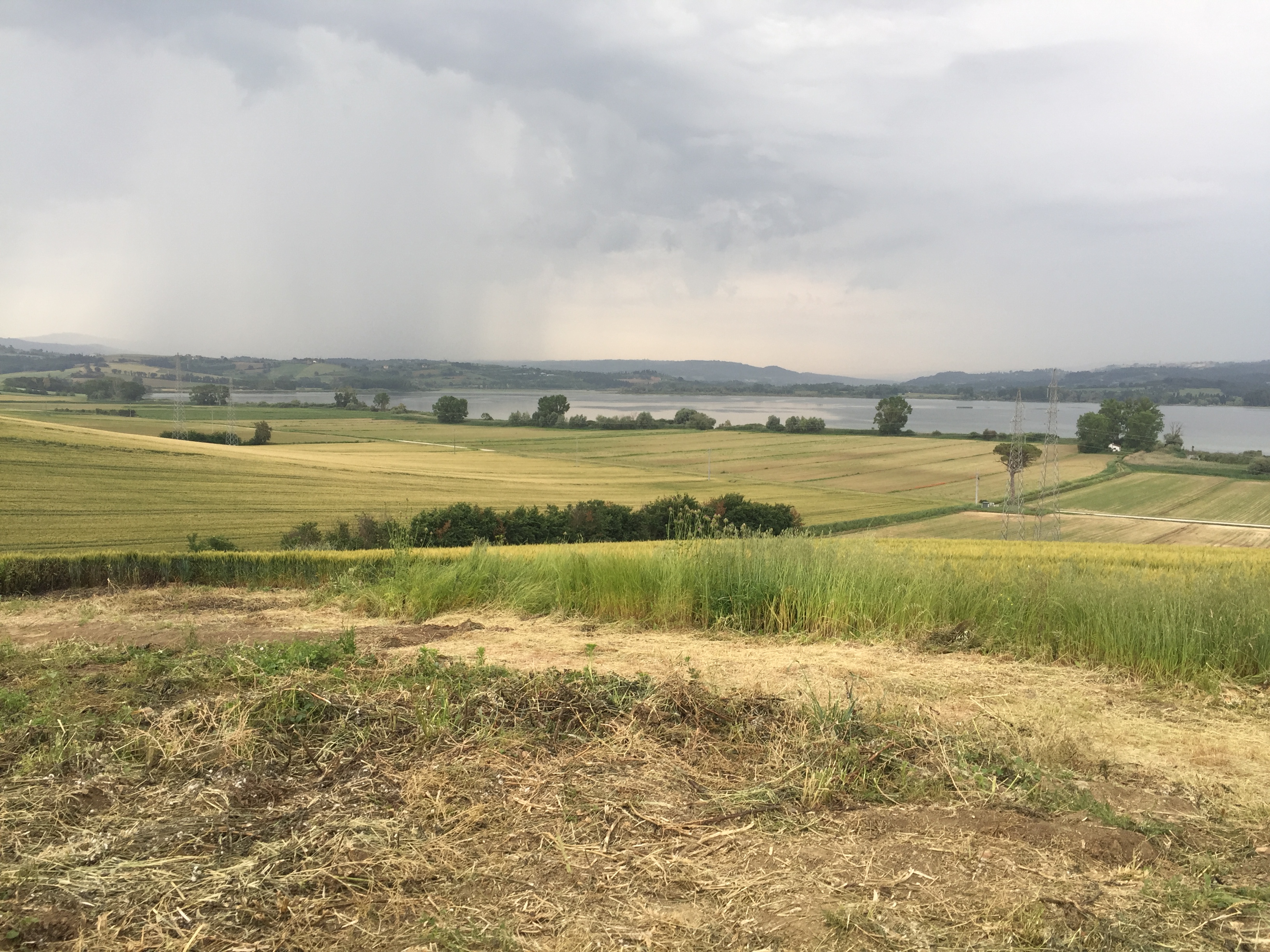
The site continued to operate until the third century CE when the environment changed. The river that ran at the bottom of the hill began to silt up—maybe due to deforestation—creating a swampy area filled with mosquitoes carrying malaria. People began dying so the area began to depopulate. The main path of trade along the river could not be used and transport prices over land were very expensive. This answered one part of my inquiry: why this site was abandoned. It is understandable to leave your home behind if the environment is no longer suitable. Changes to the environment can have a drastic affect on the ability of a site to be desirable for people to stay there. Now I had two possibilities for site abandonment.
By the thirteenth century Perugia was in control of the area around the villa. Since no one lived in the area, the city was unable to collect taxes from it. Perugia began large-scale land reclamation to bring people back to the area. When medieval people were settled on our site they had to build their own house. Instead of trying to find their own materials they stole from the abandoned Roman building decaying on their farm. Of course at the time these medieval people may not have known this was a Roman villa they were so haphazardly stealing from. Hundreds of years had passed since its latest residents, allowing for their history to have been lost. Unused pieces were knocked over and covered over with soil to make more land for farming. Who knew they were recycling even in the medieval period! This explains why the villa was destroyed and how it ended up underground.
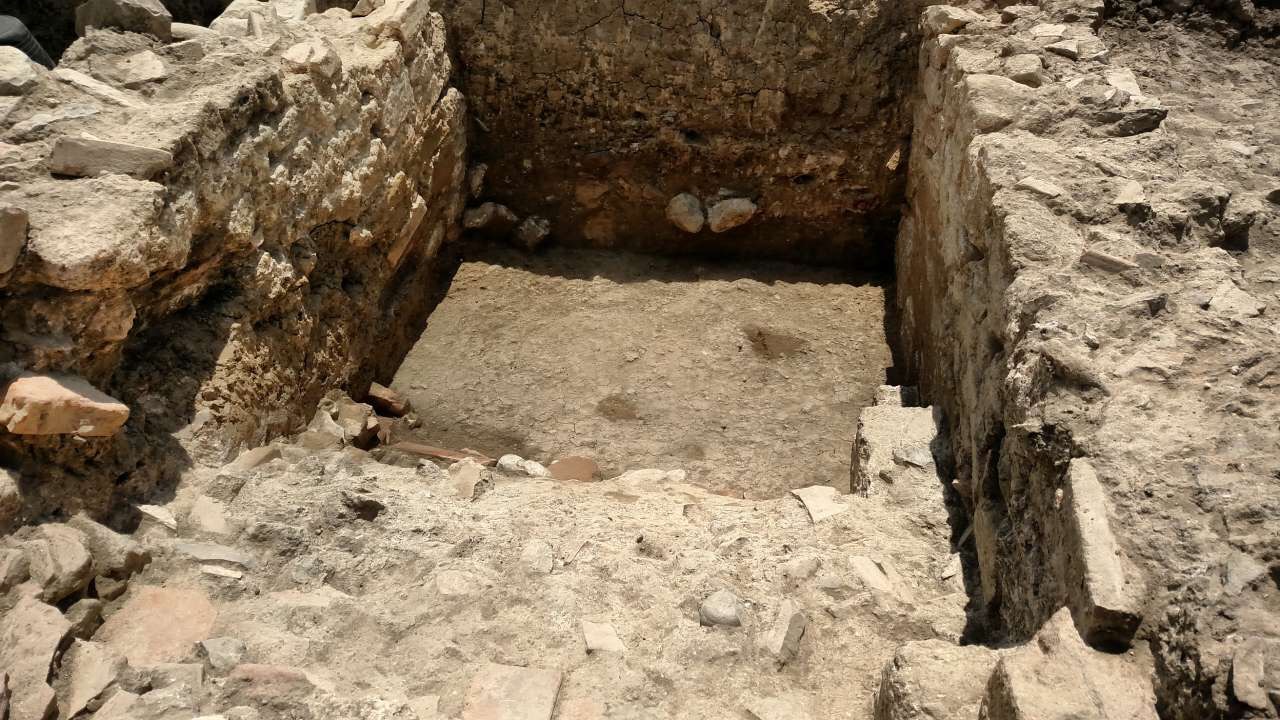
People used this practice of reusing building materials of previous constructions for their own needs for centuries before and do so even today. It makes complete sense too. Why go find your own materials when perfectly usable ones are sitting on your land? This happened even with huge monuments such as the Forum of Trajan in Rome. In the medieval period the Forum was transformed into an area filled with small farms and shops. The farms used the protection of the walls and used fallen materials to build their homes.


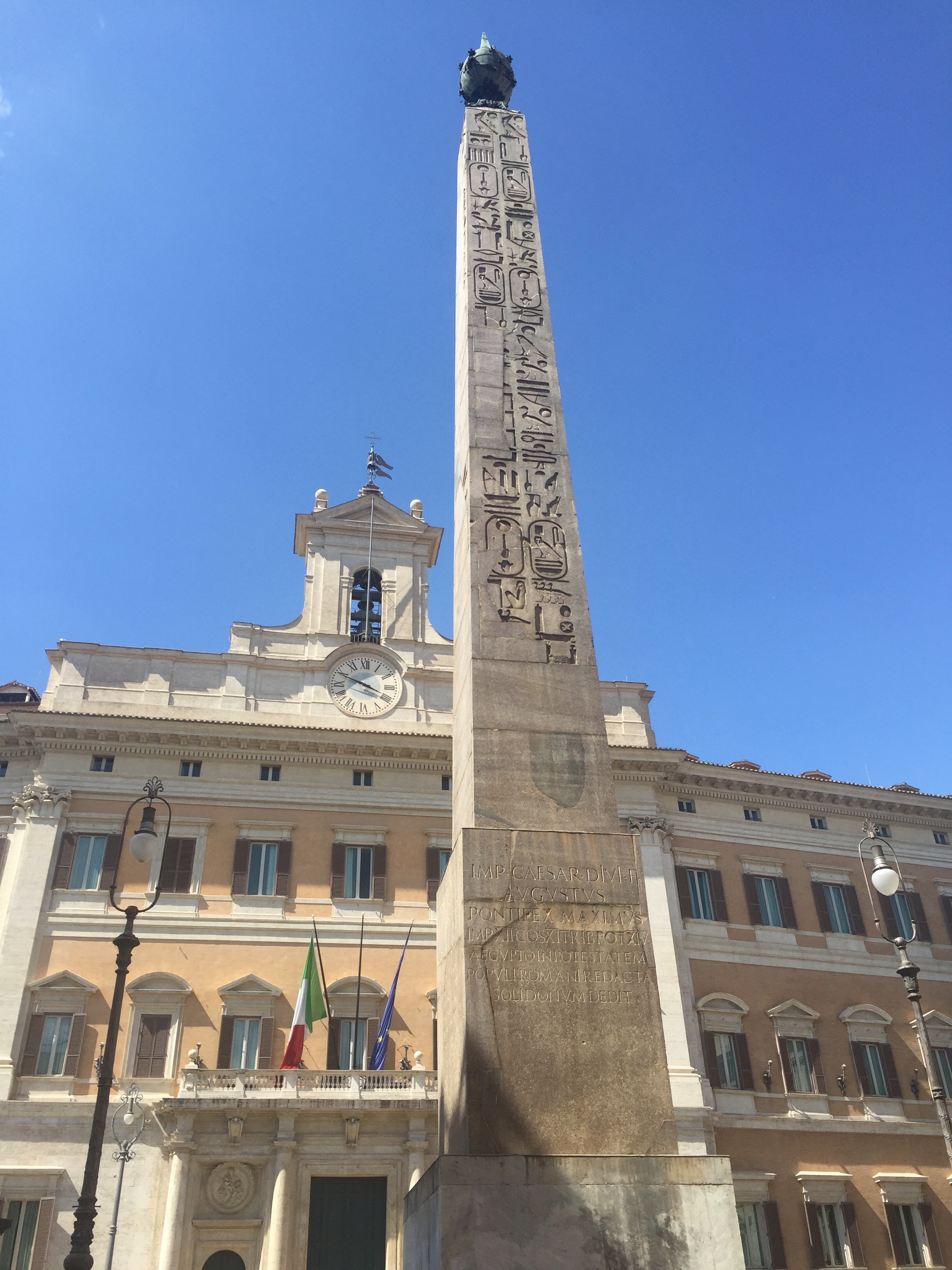
Recycling could also be symbolic, as in the case of Augustus’ obelisk in Rome. An Egyptian pharaoh, Psammetichus II, originally constructed the obelisk in the seventh c. BC, but after Augustus conquered Egypt he had it moved to Rome to be used as a sundial. It is a symbolic representation of his domination over the Egyptian people because it is Egyptian in origin. In fact, both rulers dedicated the obelisk to the sun. By reusing the material of an earlier construction Augustus was able to draw upon the power of the past glory of Egypt and equate it to himself.
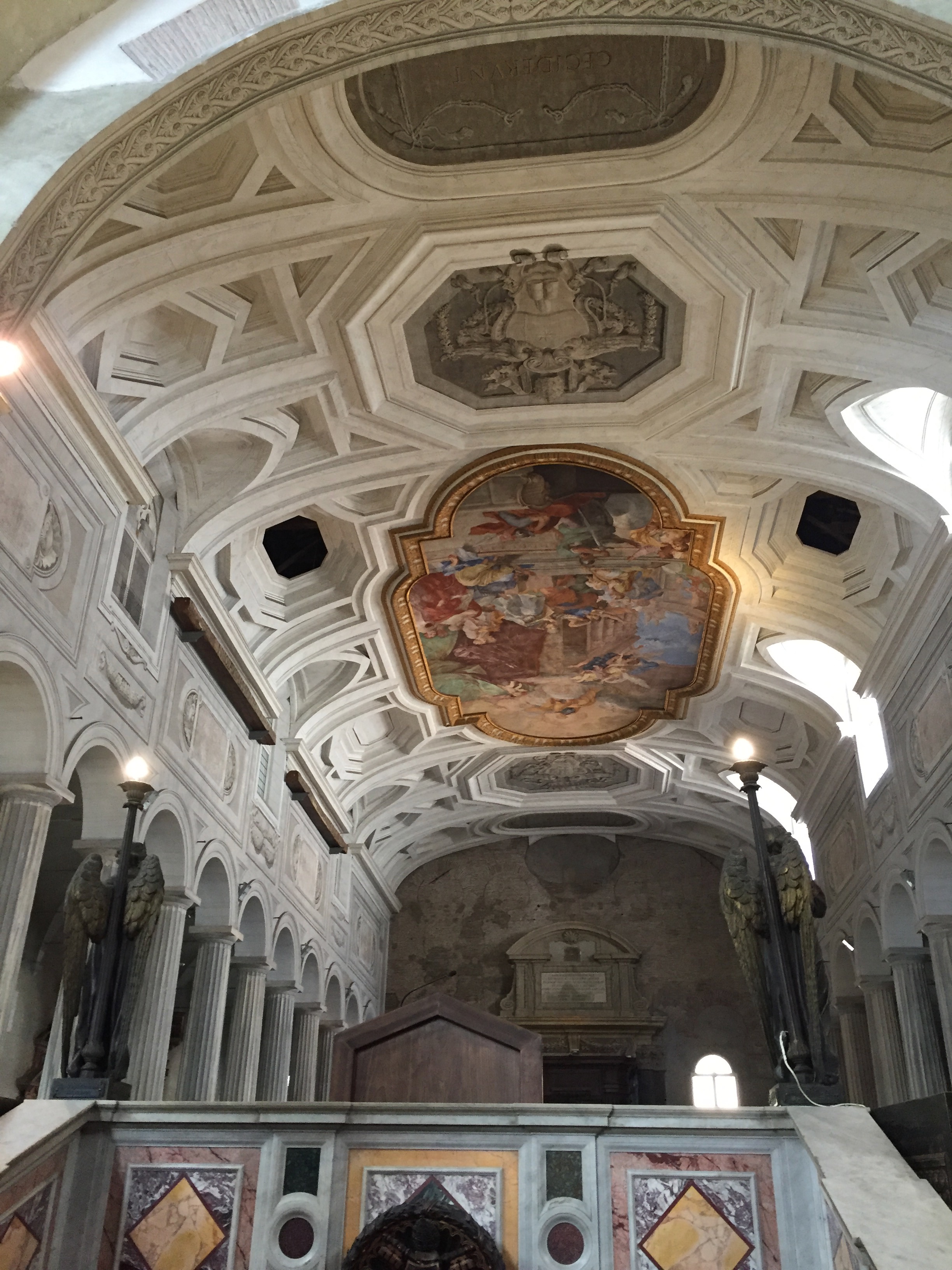
Many leaders of Rome used the idea of embodying the glory of other cultures by using their style of architecture. This process is how many temples were preserved; materials and sacred land were reused as churches when that religion began to dominate Europe. It was a symbolic way of banishing the pagan religion and Christianizing the region.
Ancient sites can be abandoned, destroyed, buried and forgotten for many reasons, from something as simple as recycling material to the complicated effects of environmental changes. However a site was preserved, it allows future archaeologists to uncover its secrets and understand the intricate world of these ancient people.
 TRAP
TRAP 
Leave a comment